When it comes to ranking on Google, there’s one word that keeps popping up again and again: backlinks. They’re often called the “backbone of SEO,” and for good reason. Backlinks are one of the strongest signals search engines use to decide which websites deserve those top spots.
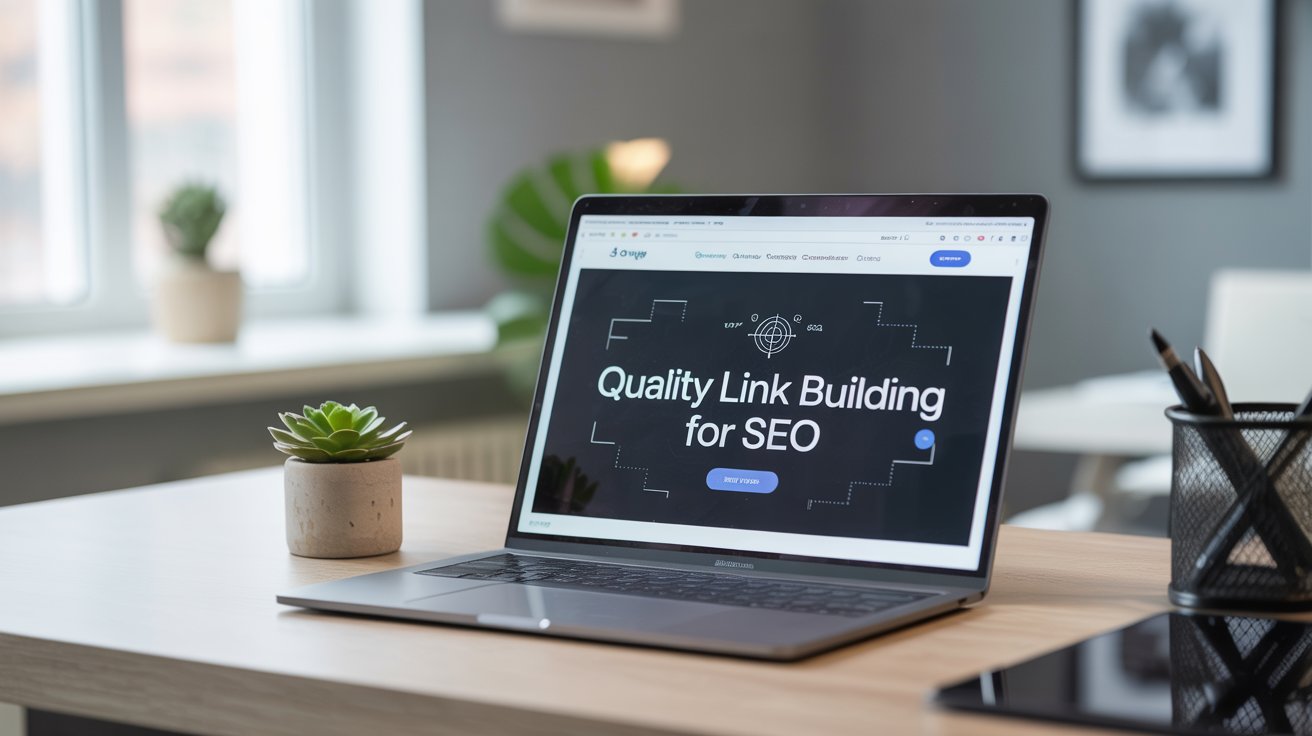
But not all backlinks are created equal. In fact, the difference between a high-quality backlink and a low-quality one can make or break your SEO efforts. So, if you’re ready to learn the basics of quality link building, this guide will walk you through everything you need to know in plain English.
Table of Contents
1. What Are Backlinks?
A backlink is simply a link from one website to another. Imagine it as a digital vote of confidence. If another site links to your content, it’s like they’re saying, “Hey, this page is worth checking out.”
Google picks up on these signals. The more reputable websites that link to you, the more authority your website builds and the higher your chances of ranking.
2. Why Backlinks Matter for SEO
Search engines want to serve the best possible results. Backlinks help them measure trust, credibility, and authority. Here’s why they’re so important:
- Authority boost: Quality backlinks from trusted websites tell Google your site deserves to rank.
- Traffic driver: Backlinks don’t just help with SEO they can send visitors directly to your site.
- Brand exposure: Being mentioned and linked on industry sites increases visibility and credibility.
- Competitive edge: Websites with stronger backlink profiles often dominate search results.
Without backlinks, your SEO strategy is like running a marathon with weights strapped to your legs. You can still move forward, but your competitors with backlinks will outrun you every time.
3. The Difference Between Good and Bad Backlinks
Here’s the truth: not all backlinks help your website. Some can even harm your rankings.
✅ Good backlinks:
- Come from relevant and authoritative websites in your niche
- Use natural anchor text (the clickable words in the link)
- Are earned, not bought
- Are surrounded by high-quality, related content
❌ Bad backlinks:
- Come from spammy or irrelevant sites (think gambling or shady directories)
- Are created in bulk or through automated link schemes
- Have over-optimized, keyword-stuffed anchor text
- Come from “link farms” where sites exist solely to sell backlinks
Google has gotten very smart at spotting manipulative link-building tactics. Stick to quality and you’ll be rewarded.
4. How to Build Quality Backlinks
Now, let’s talk about the fun part: how to actually earn backlinks that matter. Here are some proven strategies:
1. Create Link-Worthy Content
The easiest way to earn links is to publish content people actually want to reference. Examples include:
- In-depth guides and tutorials
- Data-driven studies or original research
- Infographics and visual content
- Expert roundups and opinion pieces
When your content genuinely helps people, links happen naturally.
2. Guest Blogging
Contributing an article to another reputable site in your industry is a tried-and-true way to earn backlinks. The key is to focus on quality sites and provide valuable content not just filler for the sake of getting a link.
3. Outreach and Relationship Building
Sometimes, you have to ask. Reach out to bloggers, journalists, and industry experts with content they might find useful. Relationship building is at the heart of modern link building.
4. Broken Link Building
Find broken (dead) links on relevant websites, then suggest your own content as a replacement. This approach helps the site owner fix an issue while earning you a backlink.
5. Digital PR
Pitch stories, press releases, or unique insights to media outlets. If done right, you can land backlinks from highly authoritative news sites.
6. Resource Pages and Directories
High-quality resource lists or niche directories can be a great way to earn relevant backlinks as long as they’re reputable.
5. Anchor Text: Why It Matters
Anchor text is the clickable part of a link. For example: Check out our guide to link building strategies.
Google looks at anchor text to understand context. The best approach is natural variety. Use branded terms, generic phrases, and a mix of keywords. Over-optimized anchor text (like always using “best link building services”) can raise red flags.
6. How Many Backlinks Do You Need?
This is a question businesses ask all the time and the answer is: it depends.
If your competitors all have hundreds of backlinks, you’ll need a strong profile to compete. But if you’re targeting less competitive niches, even a handful of high-quality backlinks can make a big difference.
It’s not about chasing big numbers. It’s about earning relevant, trustworthy links consistently over time.
7. Common Link Building Mistakes to Avoid
Even with the right intentions, it’s easy to slip up. Here are some pitfalls to steer clear of:
- Buying cheap backlinks (these can trigger penalties)
- Using only one type of link (like only guest posts)
- Ignoring relevancy (links should fit naturally in your industry)
- Chasing quantity over quality
- Neglecting your own content quality (backlinks won’t help if your site isn’t worth linking to)
8. Measuring Link Building Success
So, how do you know if your link-building efforts are paying off? Track these metrics:
- Domain Authority (DA) / Domain Rating (DR) – Helps measure the authority of sites linking to you
- Number of referring domains – Focus on unique, relevant sites, not just total links
- Organic traffic growth – Are more people finding your site from search?
- Keyword rankings – Are you climbing the rankings for your target terms?
- Conversions – At the end of the day, backlinks should help generate leads or sales
9. Link Building as Part of a Bigger SEO Strategy
Link building isn’t a standalone tactic. It works best when combined with:
- On-page SEO – Optimizing your content for the right keywords
- Technical SEO – Making your site fast, secure, and crawlable
- Content marketing – Giving people reasons to link to you
- Local SEO – If you serve specific regions, citations and local mentions matter too
Together, these elements create a holistic SEO strategy that grows your authority, traffic, and visibility over time.
Final Thoughts
Backlinks are still one of the most important ranking factors in SEO but only if you focus on quality over quantity. Earning links from relevant, trustworthy websites will help your business stand out, build authority, and drive sustainable traffic.